Exploring outdoors
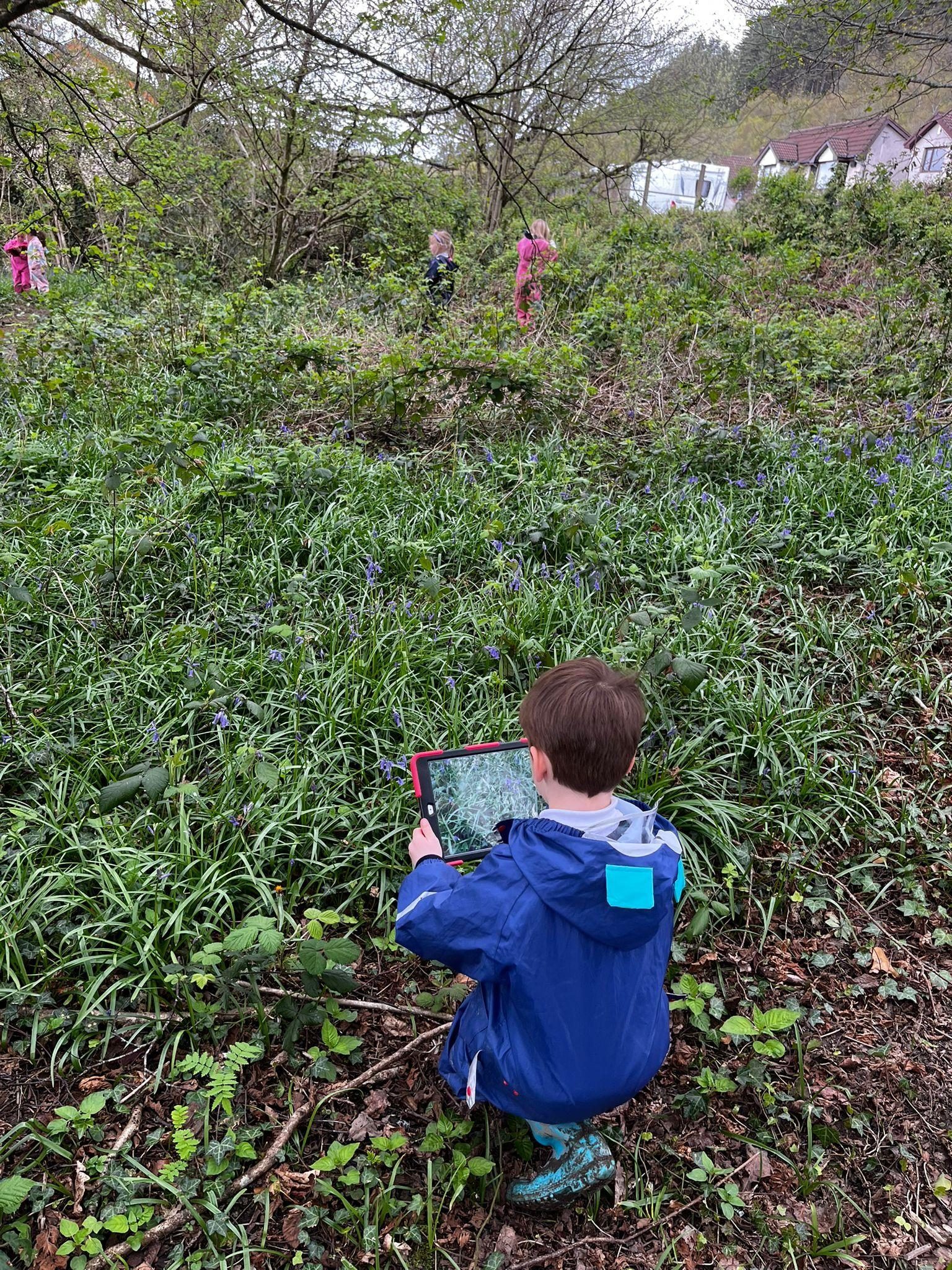
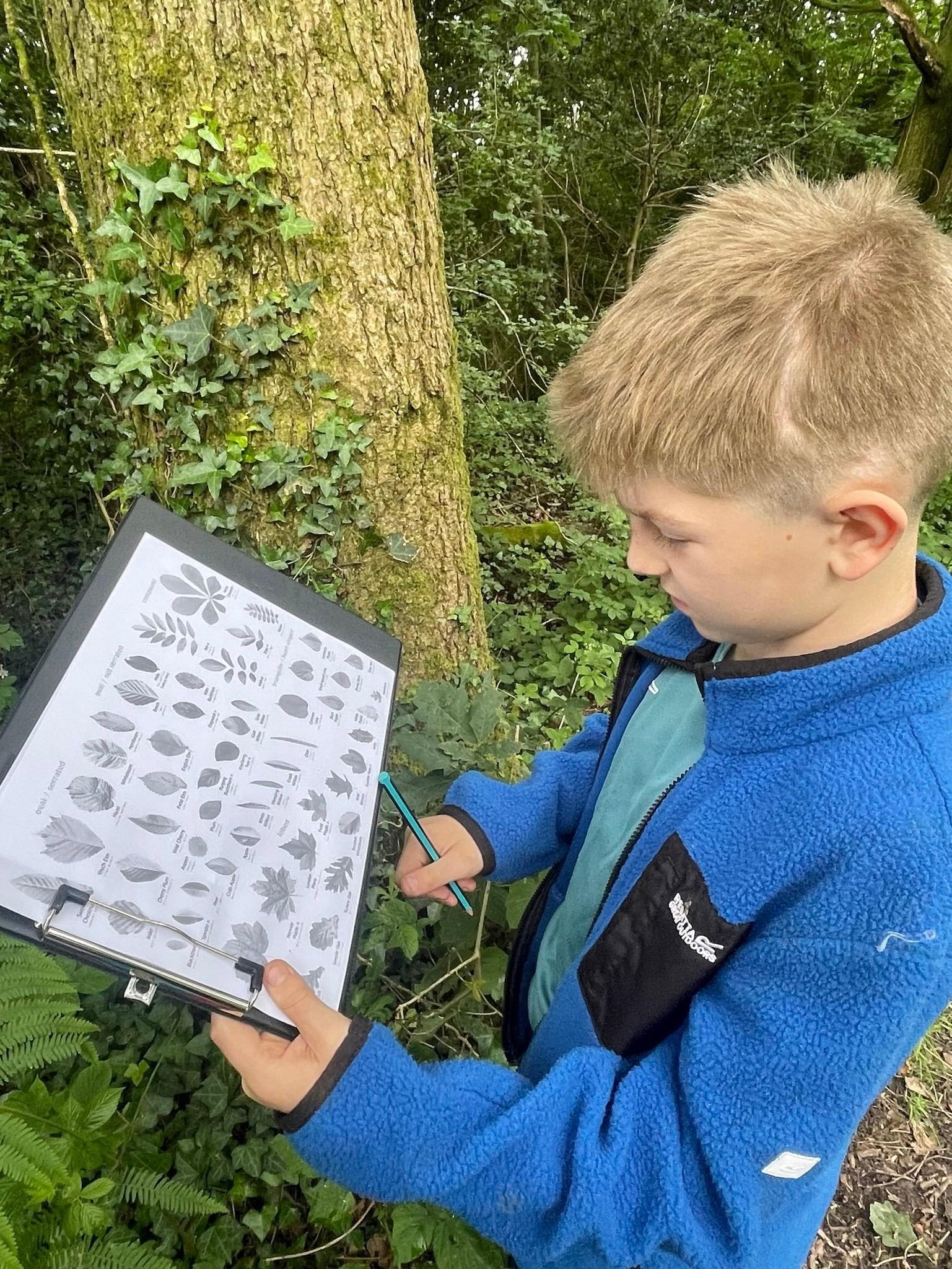
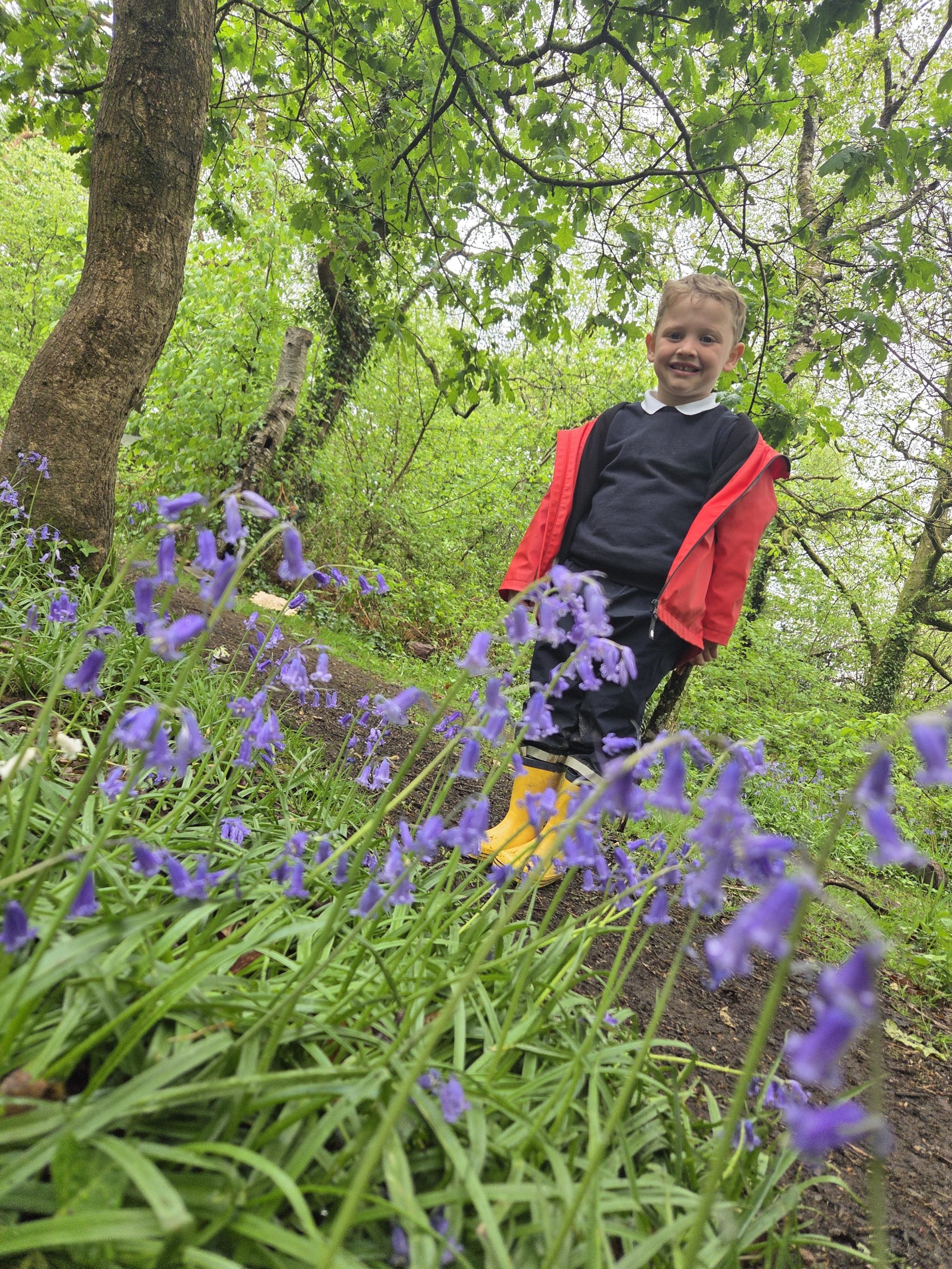
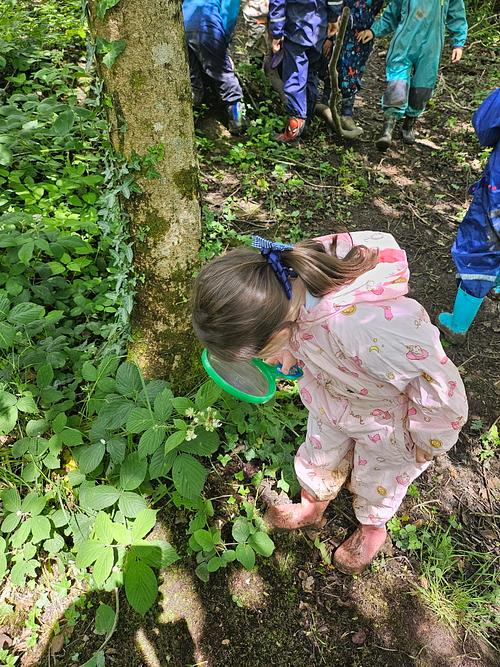
Exploring woodland, noticing seasonal change and growing confidence in the outdoors.
Cwricwlwm i Gymru / Curriculum for Wales
Explore our Curriculum for Wales information, including assessment, literacy and numeracy, Welsh and pupil voice.
Our shared vision
Senior leaders, staff, pupils, parents and carers have worked collaboratively to develop a shared vision for the curriculum that we have developed at Blaenbaglan Primary School.
The school’s curriculum meets the required elements as set out in the national framework. It is focused on ensuring that pupils develop the four purposes of being Ambitious Capable Learners; Enterprising Creative Contributors; Ethical and Informed Citizens and Healthy Confident Individuals.
The curriculum at our school is progressive and will ensure pupils develop control and independence in their development of their literacy, numeracy, digital and integral skills in addition to ensuring pupils engage with increasingly complex and sophisticated content to progress their knowledge and understanding.
Learners will develop an understanding of all What Matters statements as part of the school’s curriculum. The process of exploring and revisiting these statements will enable our learners to develop ever-deeper knowledge over their learning continuum and to progress to a more sophisticated understanding of the key knowledge, ideas and principles in each Area of Learning and Experience.
Assessment at our school enables learner progression as it is focused on supporting learners to move forward with their learning on a day-to-day basis and identifying, capturing and reflecting on learners’ progress over time. The school’s curriculum is broad and balanced, ensuring that pupils develop an integrated, cross-disciplinary approach to learning and ensures learners make meaningful links across the six Areas of Learning and Experience. This enables learners to build connections across their learning and combine different experiences, knowledge and skills.
Our curriculum is designed to develop in our pupils a sense of belonging, not just in a physical or geographical sense but also the historic, cultural and social place which has shaped and continues to shape the community which our school inhabits. We aim to help our pupils make sense of their own identities and those of others, in our community, Wales and the across the world.
The school will monitor the impact of its curriculum on pupils’ progression and their development of the four purposes on a continuous basis throughout the academic year and complete a formal review on an annual basis.
Explore our curriculum
Assessment at Blaenbaglan Primary School has three main purposes:
Assessment helps us identify each pupil’s strengths, achievements, areas for development and next steps. We consider not only what pupils have learned, but also how they learn. Assessment for Learning strategies encourage pupils to reflect on their progress, think critically and develop the skills needed to become lifelong learners. Parents and carers are kept informed through annual reports and meetings with class teachers.
Assessment is an integral part of our curriculum and classroom practice. The principles of progression guide curriculum design, teaching and learning, helping us provide a curriculum tailored to every child. Pupils in Years 2 to 6 also complete personalised reading and numeracy assessments during the summer term. These contribute to our wider assessment arrangements and help pupils, families and staff understand each learner’s progress and next steps.
We support pupils carefully as they enter primary school and later move to secondary school. Staff work closely with other cluster primary schools and Ysgol Bae Baglan to maintain a shared approach across the 3 to 16 curriculum, underpinned by the four purposes. Transition information provides a holistic picture of each pupil’s progress, needs and well-being. Pupil voice is central to this process, particularly when identifying possible barriers to learning.
Strong communication with parents and carers helps us build positive relationships and create an effective link between home and school. Staff and governors are committed to developing a shared understanding of progression through regular consultation and curriculum review. This informs our assessment, planning, self-evaluation and ongoing school improvement.
At Blaenbaglan Primary School, we are committed to providing an inclusive environment in which every pupil is supported to thrive. All staff are trained to support children with a wide range of additional learning needs, with learning activities adapted where appropriate to help every child participate and make progress.
Pupils with an Individual Development Plan (IDP) are closely monitored, and their progress and targets are reviewed regularly. A formal review is held annually, with parents, carers and relevant professionals invited to celebrate the pupil’s achievements and agree their next steps.
Our Learning Support Centre (LSC) classes are supported by highly trained staff who help pupils work towards their speech and language targets. Pupils make exceptional progress during their time at Blaenbaglan and are encouraged to learn and socialise alongside their mainstream peers.
At Blaenbaglan Primary School, we follow the Read Write Inc. programmes for literacy. Younger pupils are taught through Read Write Inc. Phonics, while older pupils progress to Read Write Inc. Literacy and Language.
Through these programmes, pupils develop the essential skills of oracy, reading and writing in an engaging and meaningful way. They learn to speak and write confidently for a variety of purposes and audiences.
Pupils remain in Read Write Inc. Phonics groups until they have secured their decoding skills and can read at an appropriate pace with increasing fluency. Once they progress to Literacy and Language groups, the focus shifts towards reading for understanding and developing deeper comprehension skills.
Reading is a major priority at Blaenbaglan, and this is reflected in the importance we place on reading homework. Although we do not believe in overloading pupils with homework, regular reading at home plays a vital role in their progress.
Pupils in Read Write Inc. Phonics groups will bring home a physical reading book once a week to enjoy with a parent or carer. Please note that a new book cannot be issued until the previous book has been returned. A charge of £5 will apply to books that are lost or damaged.
Pupils in Literacy and Language groups will bring home a physical book from our Bug Club reading scheme, which is designed to develop reading comprehension. As part of their reading homework, pupils will also answer comprehension questions online using the ActiveLearn platform.
In addition, pupils in Literacy and Language groups will be asked to complete a short piece of written homework once every fortnight.
We have recently overhauled our approach to numeracy and now follow a mastery model. Rather than moving pupils on to new topics too quickly, we ensure that they have secured each skill before helping them explore it in greater depth. This allows pupils to develop a stronger understanding and apply their knowledge confidently in different situations.
We place great importance on pupils knowing their times tables. From Year 2 onwards, pupils will complete a short times table check each week. This will include quick-fire multiplication questions as well as the associated division facts.
Being able to recall these facts quickly supports pupils when completing more challenging calculations, such as finding fractional quantities. Please encourage your child to practise and learn their times tables regularly at home.
Parents and carers often ask how they can support numeracy development at home. Times table practice is valuable, but everyday skills such as telling the time, calculating change and counting forwards and backwards in different steps are equally important.
The most effective practice often happens naturally through everyday activities. You might ask your child to calculate how long it will be until food is ready, help count money in a shop or work out how much change to expect. Incorporating simple mathematics into daily life can be much more meaningful and engaging than asking children to complete additional written questions.
If you would like further advice about supporting your child’s numeracy skills at home, please contact their class teacher.
At Blaenbaglan Primary School, we are extremely proud of our Welsh identity. The Welsh language is woven throughout our school day, with pupils encouraged to speak Welsh in a variety of situations, both inside and outside the classroom. Across the school, pupils develop strong oracy, reading and writing skills in Welsh, helping them become confident and enthusiastic learners.
We are delighted to have achieved the Silver Award of the Cymraeg Campus Language Charter in recognition of our commitment to promoting and increasing the use of Welsh throughout the school. Our dedicated Criw Cymraeg play an important role in this work. They lead a weekly assembly and present certificates to pupils who have made a special effort to speak Welsh.
Our Welsh heritage is also embedded throughout the curriculum. Pupils explore the history, landscapes, legends and traditions of Wales, with a particular focus on our local community and environment. Through these experiences, we aim to nurture a lasting sense of pride, belonging and connection to Wales.
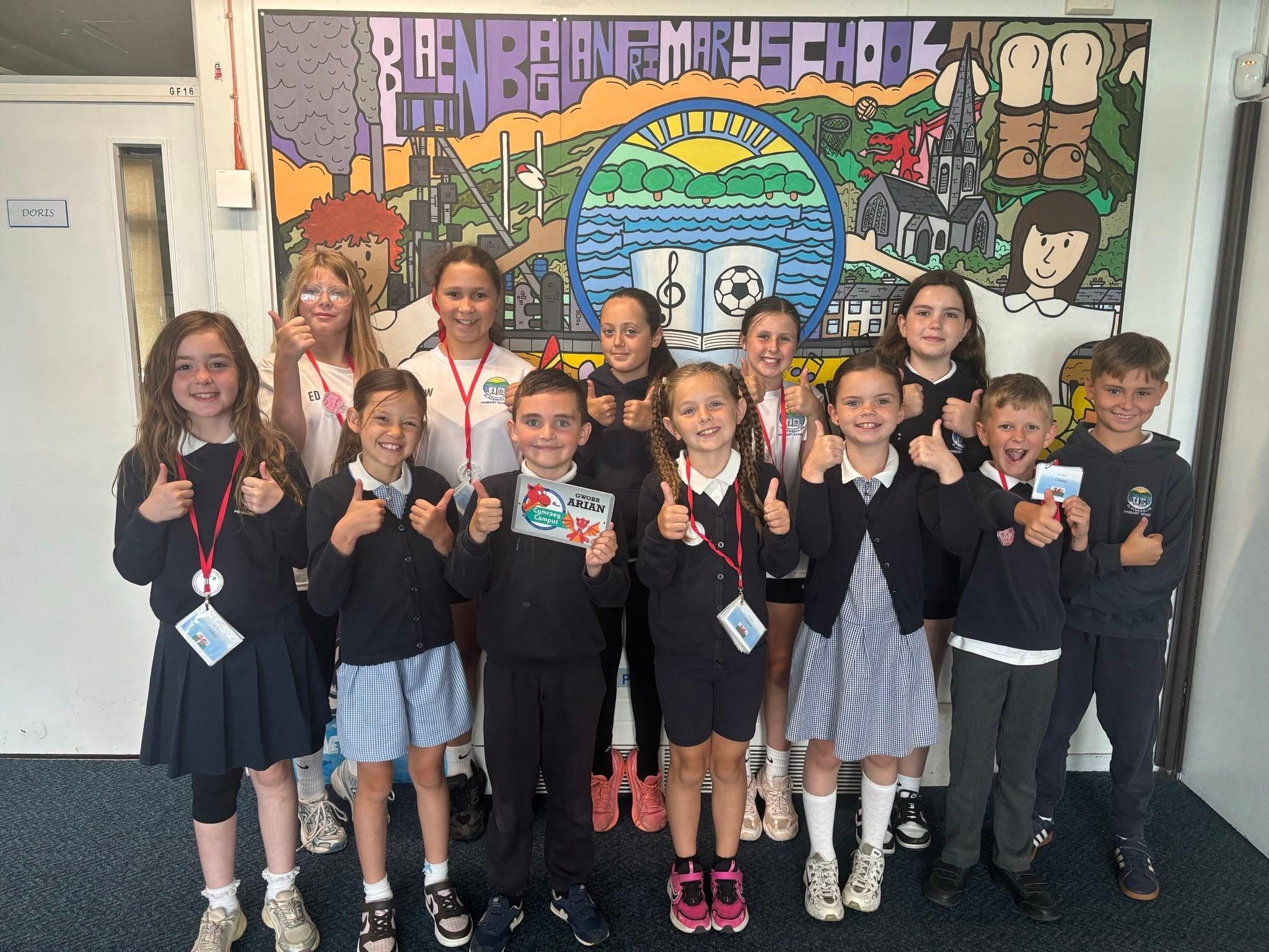
At Blaenbaglan, our pupils have lots of opportunities to have their say on important school issues. Our pupil voice groups represent our children’s views and opinions. Children are elected to our committees democratically which means the children gain an insight into electing representatives to represent their interests. For children not directly elected to a pupil voice role, they learn how a representative body makes decisions in their best interests.
Blaenbaglan pupils have the opportunity to participate in many groups including School Council and Eco Council.

At Blaenbaglan, ICT is taught across the curriculum through the Digital Competence Framework. Pupils develop essential skills such as using email, word-processing software and databases, while learning how to use technology confidently, responsibly and safely.
Online safety is an important part of our teaching. Children learn how to protect themselves online, respond to cyberbullying and maintain a healthy balance between screen time and other activities.
Children also have opportunities to use a variety of ICT equipment, including iPads, Chromebooks and programmable toys. They are taught how to use each device safely and appropriately.
Every pupil has their own Hwb login, giving them access to a wide range of digital tools and software both in school and at home. If your child does not know their Hwb login details, please contact their class teacher.
Internet safety is an important part of our curriculum. Pupils learn how to use the internet safely and responsibly, protect their personal information and recognise what to do if something online makes them feel worried or uncomfortable. We also celebrate events such as Internet Safety Week, helping to reinforce these important messages throughout the school.
We understand that keeping up with new technology, games, apps and online trends can be challenging, particularly as they develop so quickly. To support families, we recommend that parents and carers sign up to The National College. It provides a wide range of useful parent guides covering popular platforms such as Roblox, Fortnite and Snapchat, as well as emerging topics including artificial intelligence.
We encourage parents and carers to talk regularly with their children about what they do online and to explore these resources together.
Learning beyond the classroom
At Blaenbaglan Primary School, we recognise the important role that outdoor learning plays in supporting pupils’ development, health and wellbeing. All children have regular opportunities to explore our extensive grounds through Welly Walks and engaging Forest School sessions, allowing them to learn beyond the classroom in a stimulating natural environment.
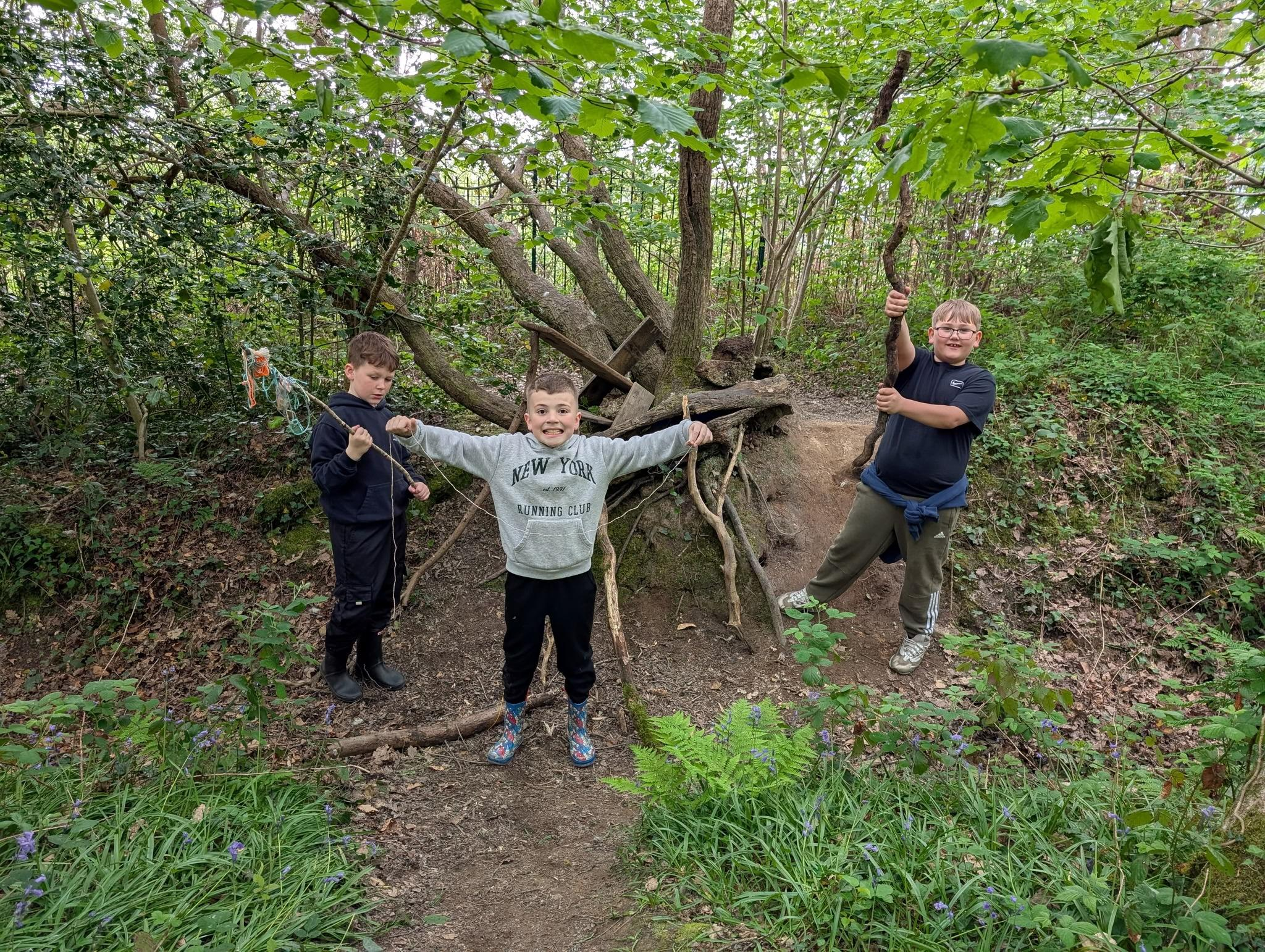
During these sessions, pupils develop their knowledge and understanding of nature, wildlife and the changing seasons. They also learn valuable practical skills, including how to build shelters, use tools safely and light fires under the careful supervision of trained staff. These experiences encourage pupils to assess risks, solve problems and make responsible decisions.
Forest School supports many of the skills at the heart of the Curriculum for Wales. Through practical and collaborative activities, pupils develop curiosity, creativity, confidence, resilience, independence and teamwork. They are encouraged to take on new challenges, learn from their experiences and develop a greater sense of responsibility for themselves, others and the natural environment.
Our pupils thoroughly enjoy their time outdoors. These sessions help them understand the positive impact that nature, fresh air and physical activity can have on their emotional and physical wellbeing, while creating memorable learning experiences that build a lifelong appreciation of the natural world.
Exploring woodland, noticing seasonal change and growing confidence in the outdoors.
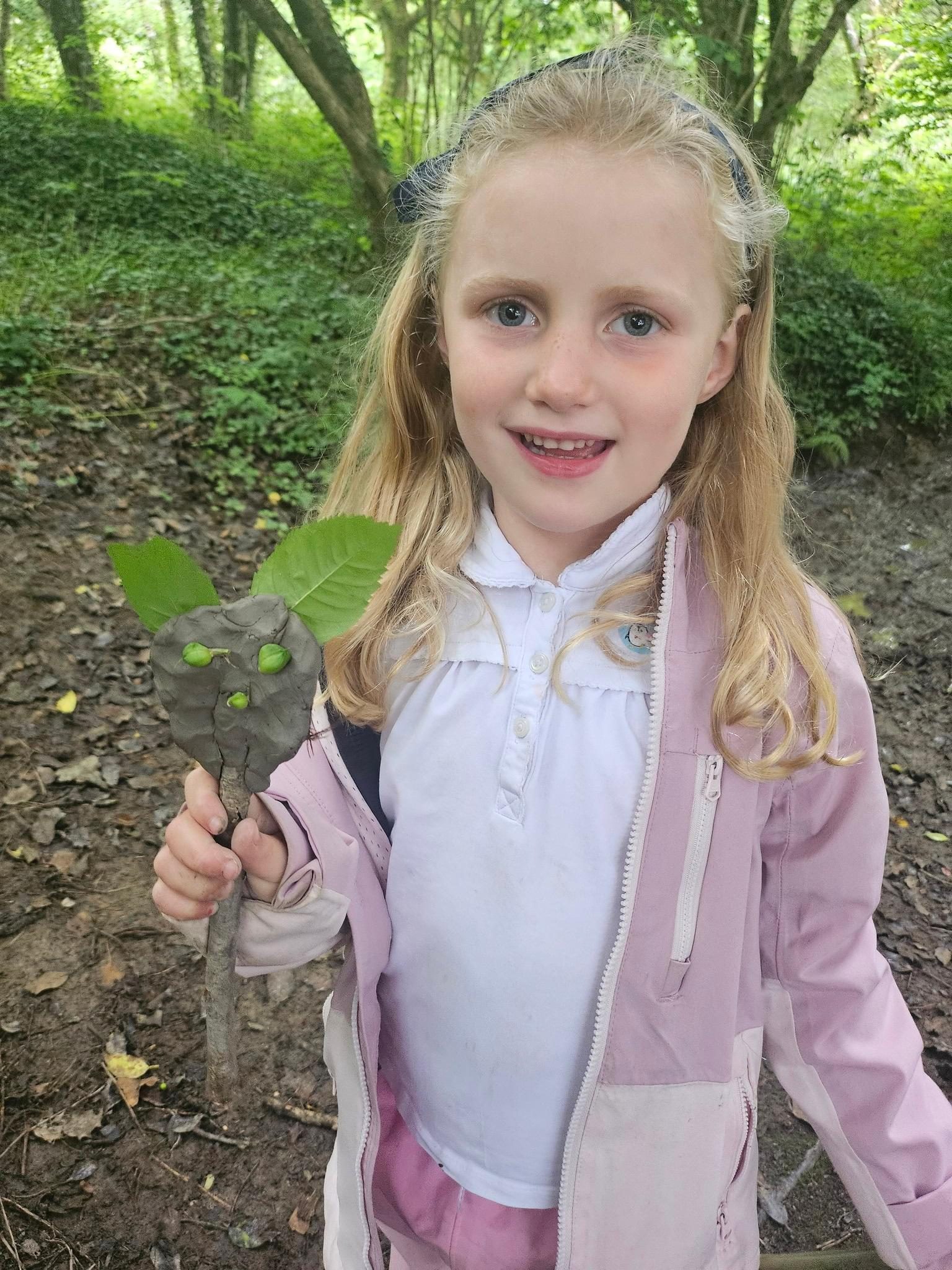
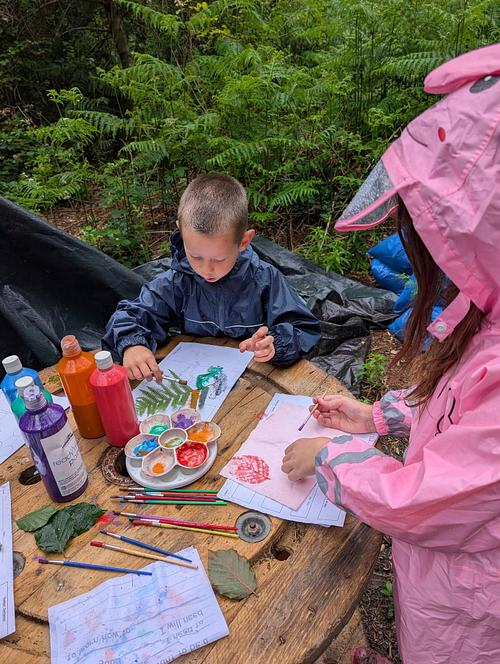
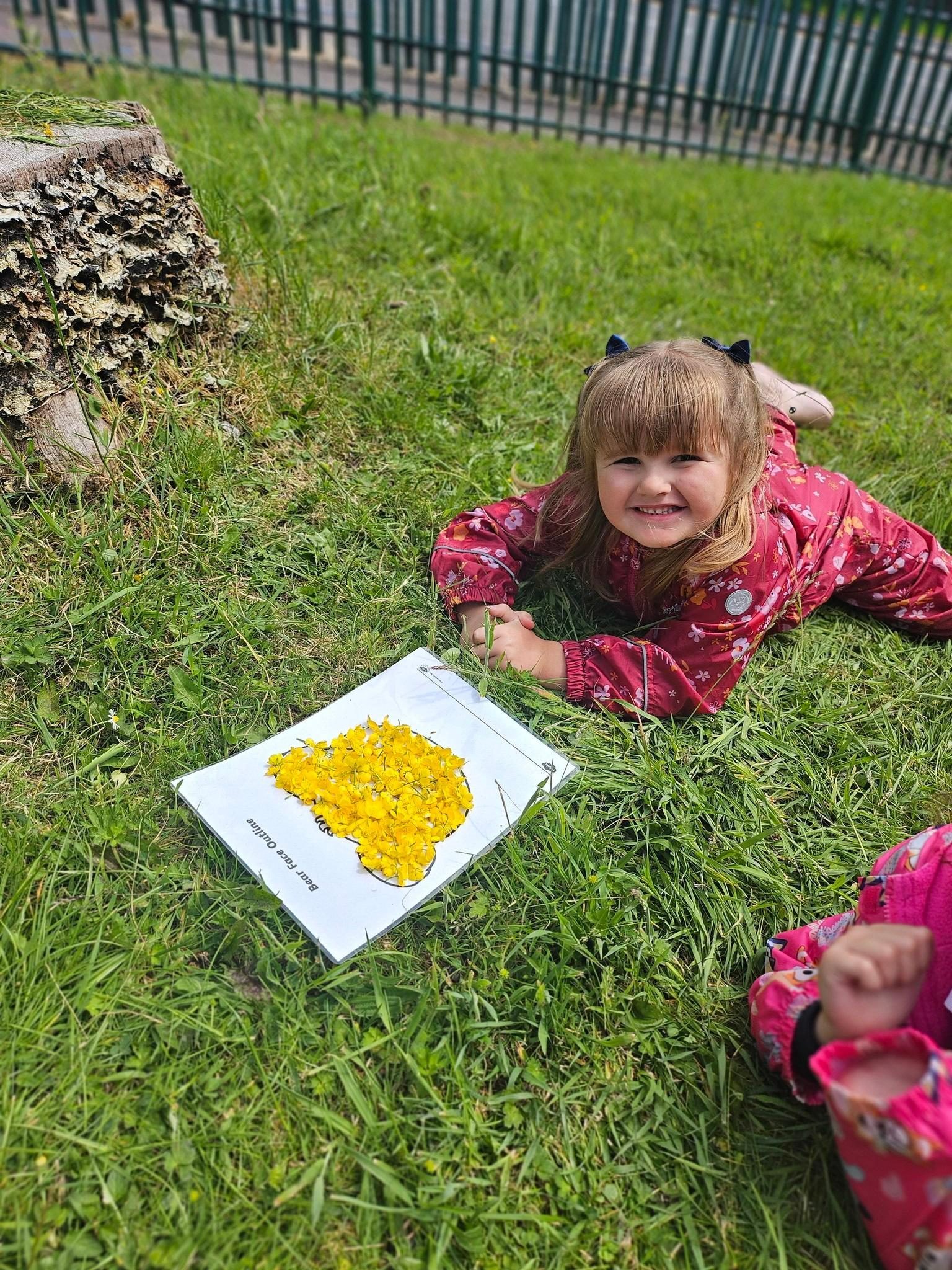
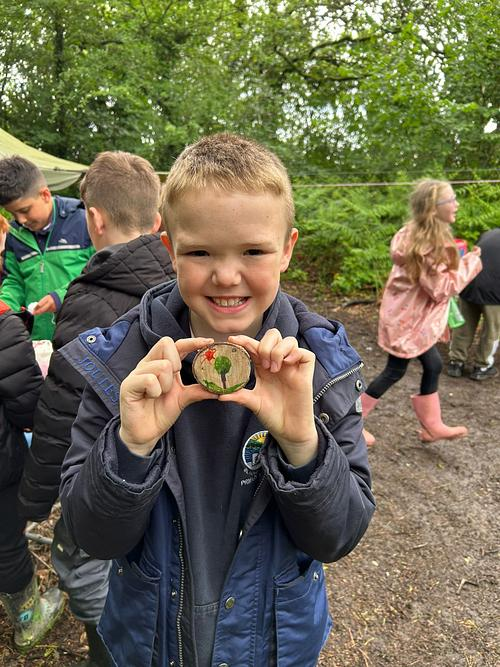
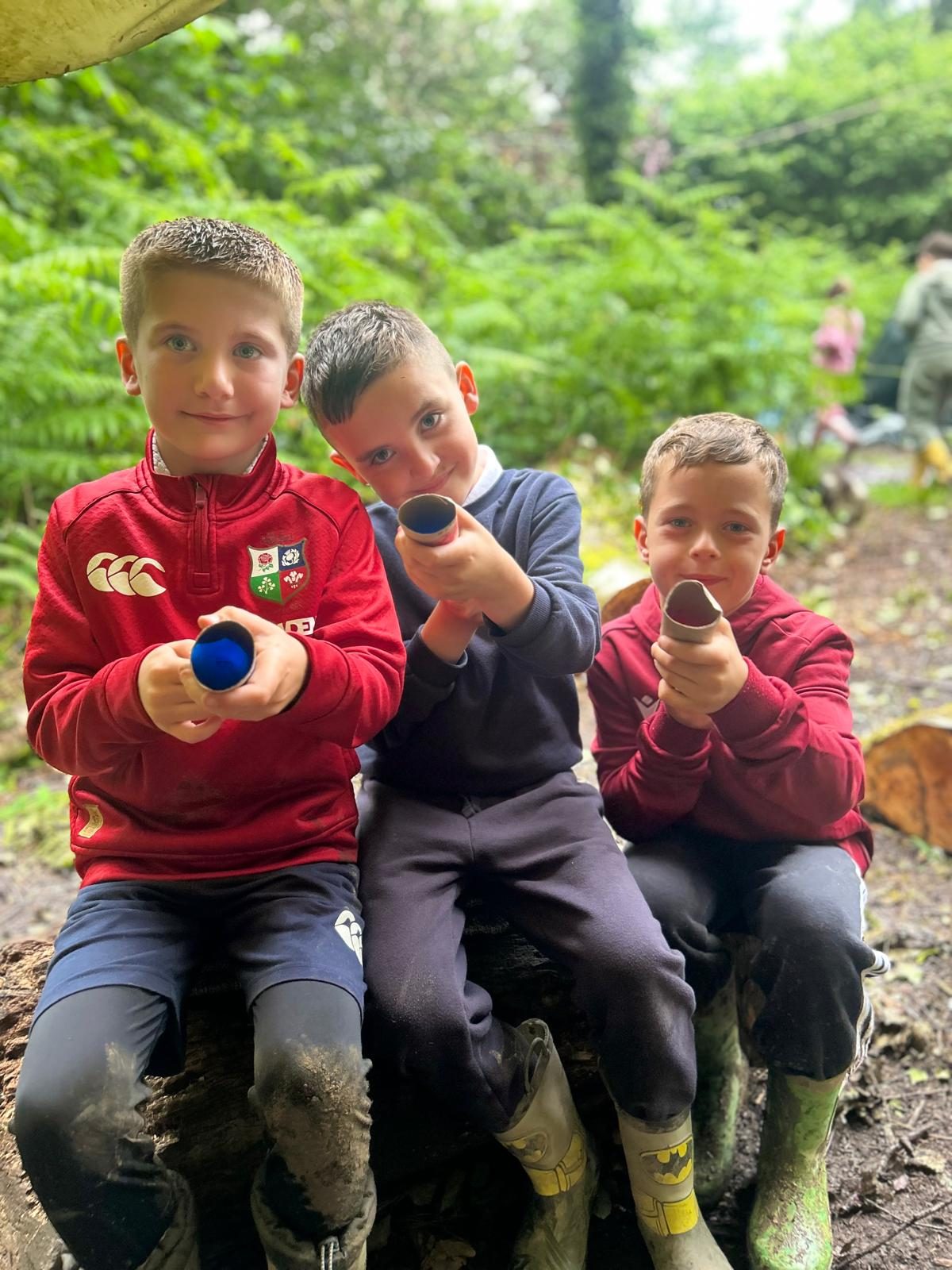
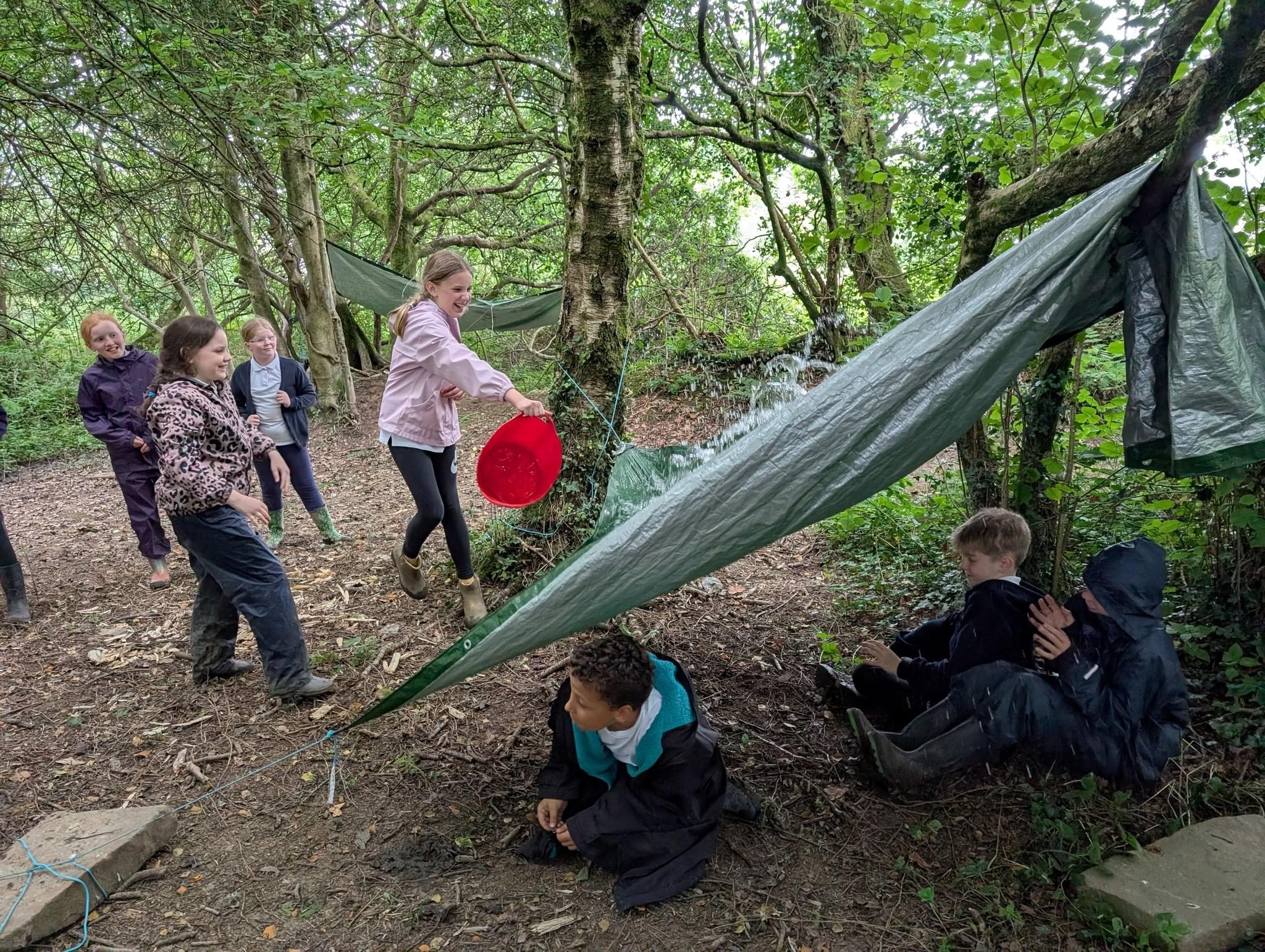
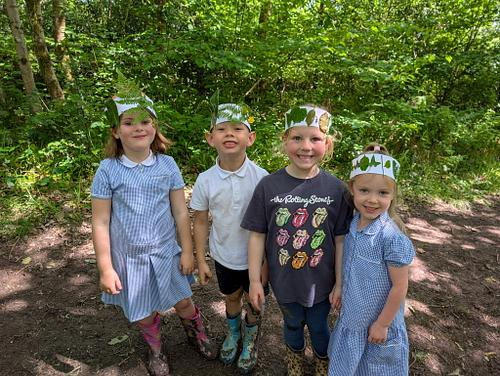
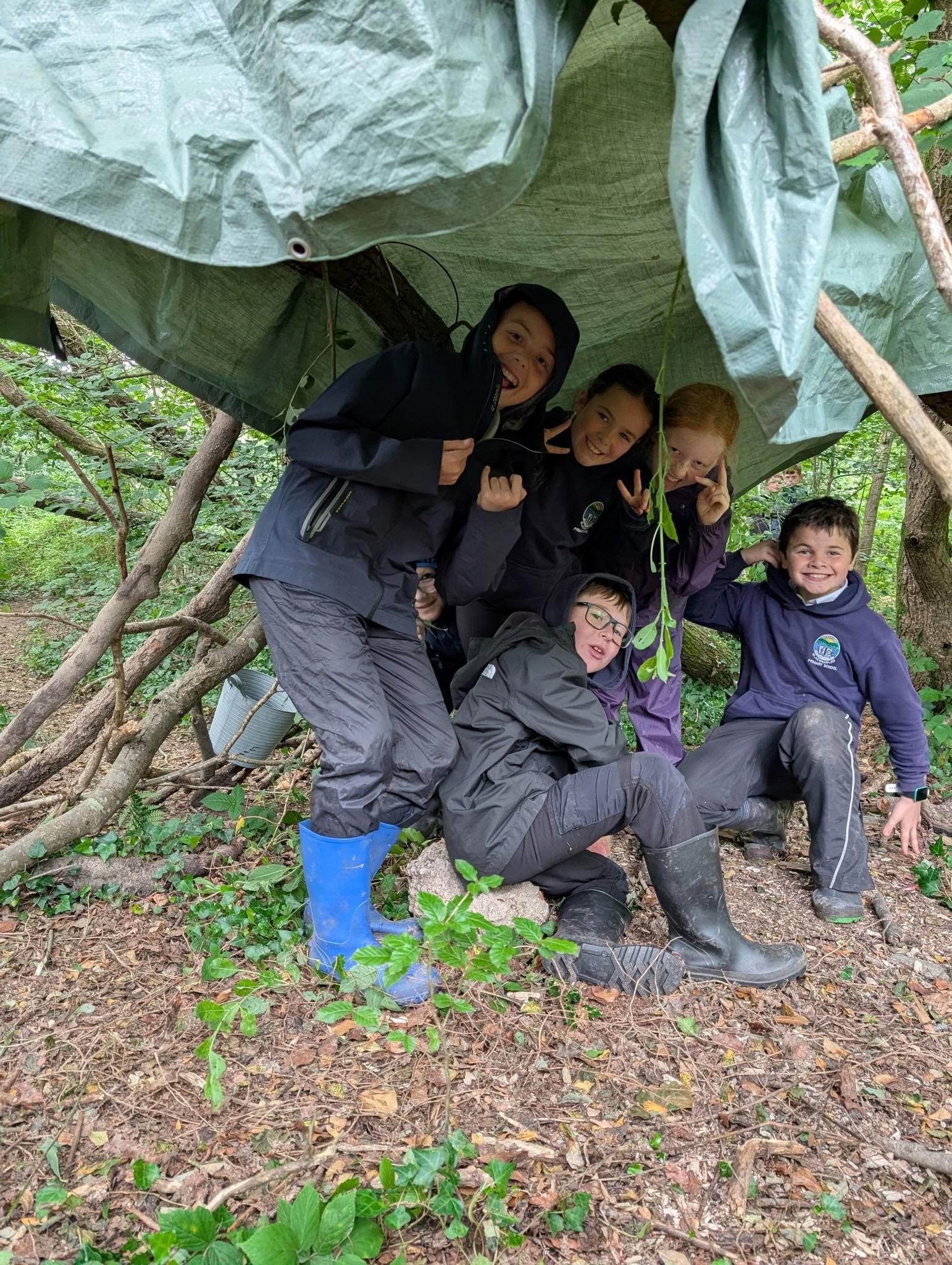
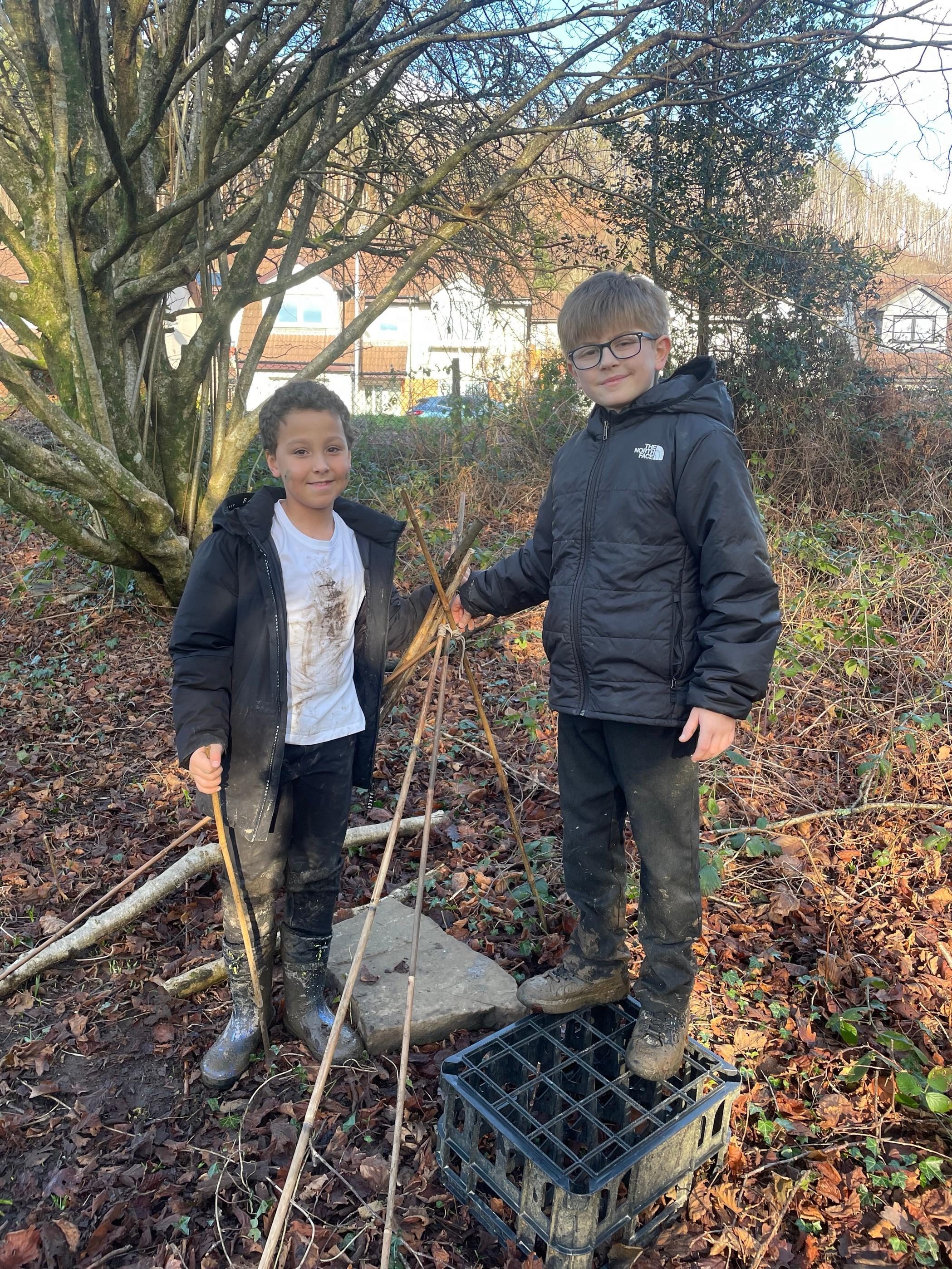
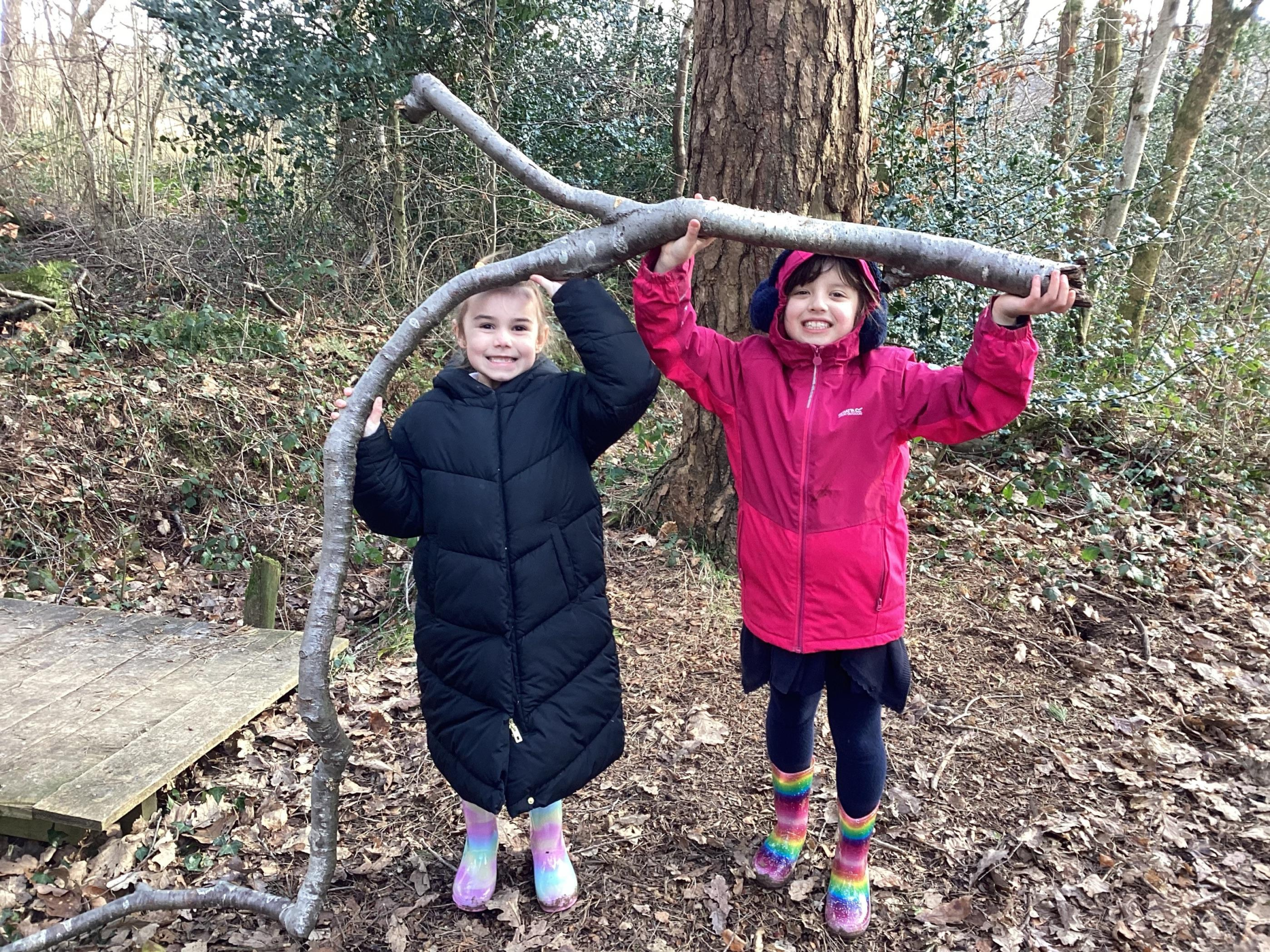
Using the natural environment as inspiration to imagine, design and create through activities including environmental artwork and den building.
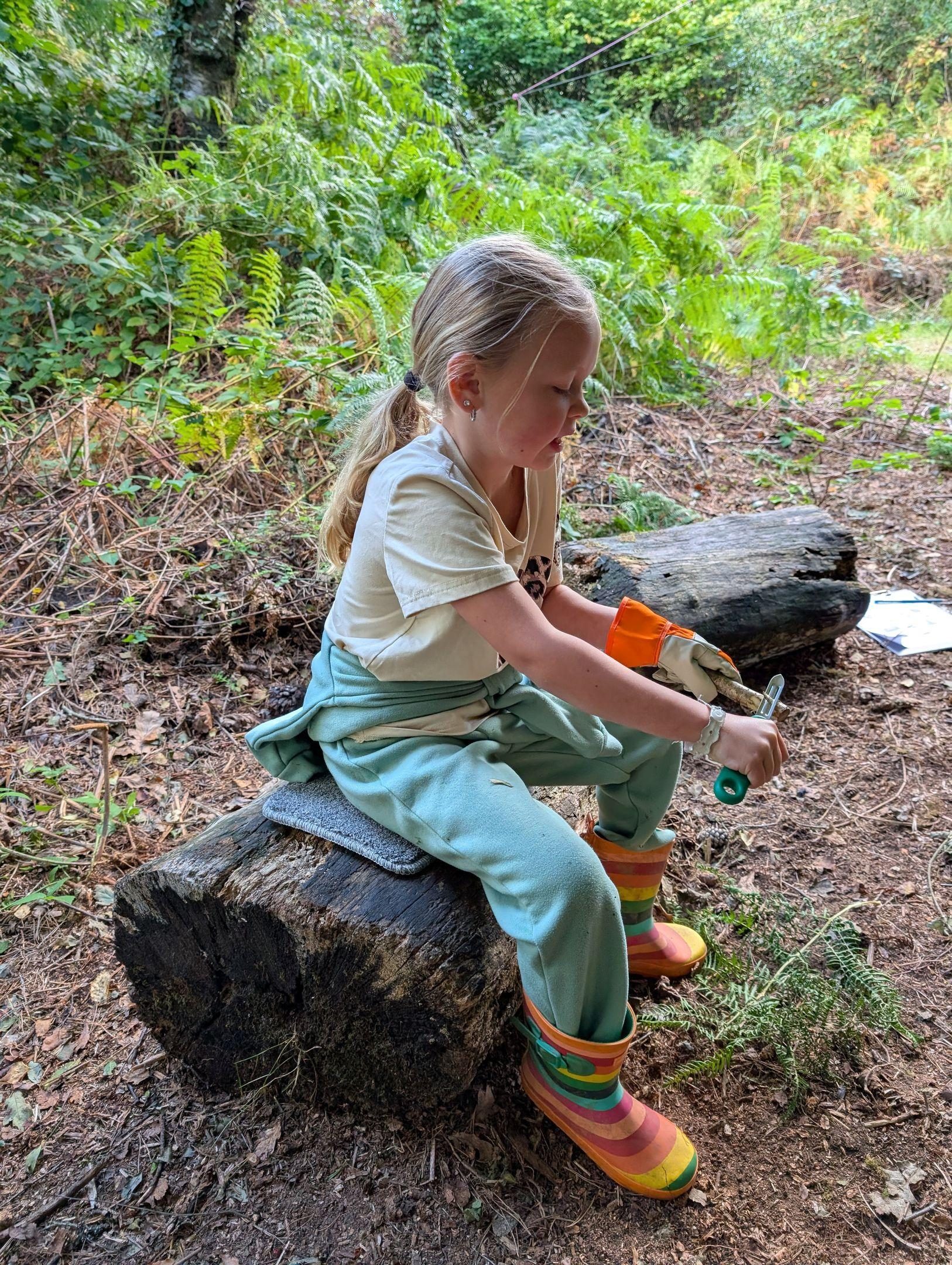
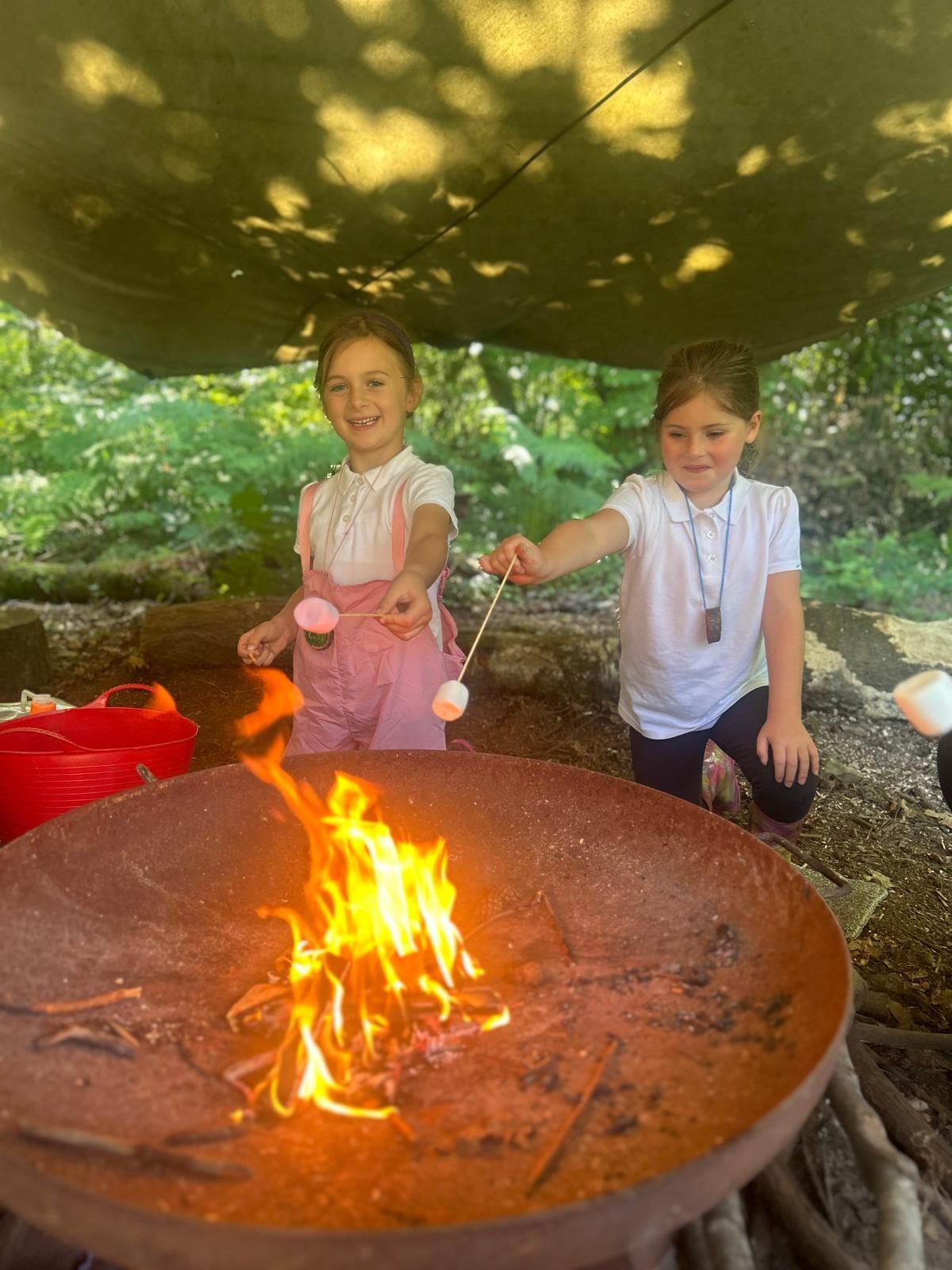
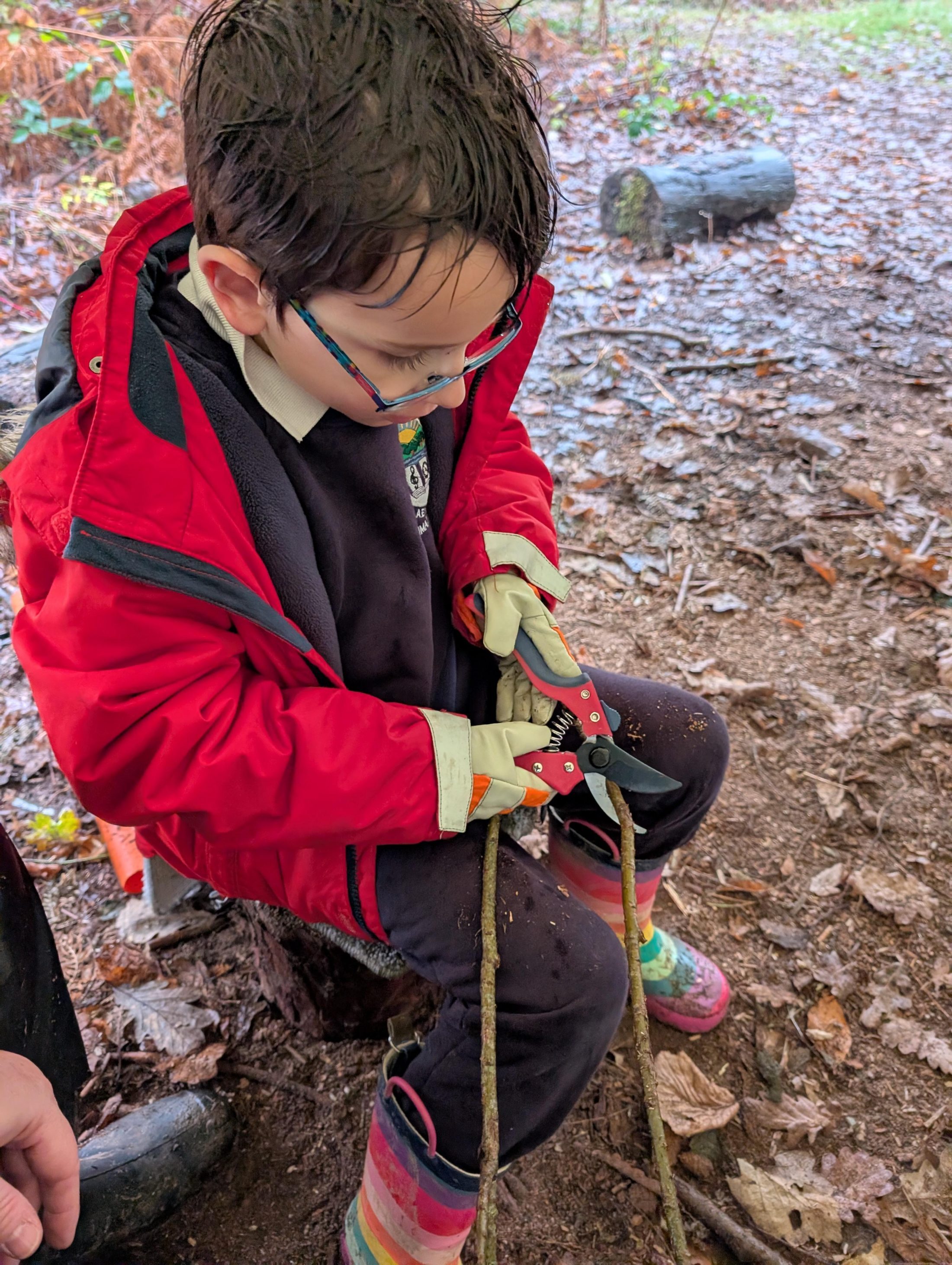
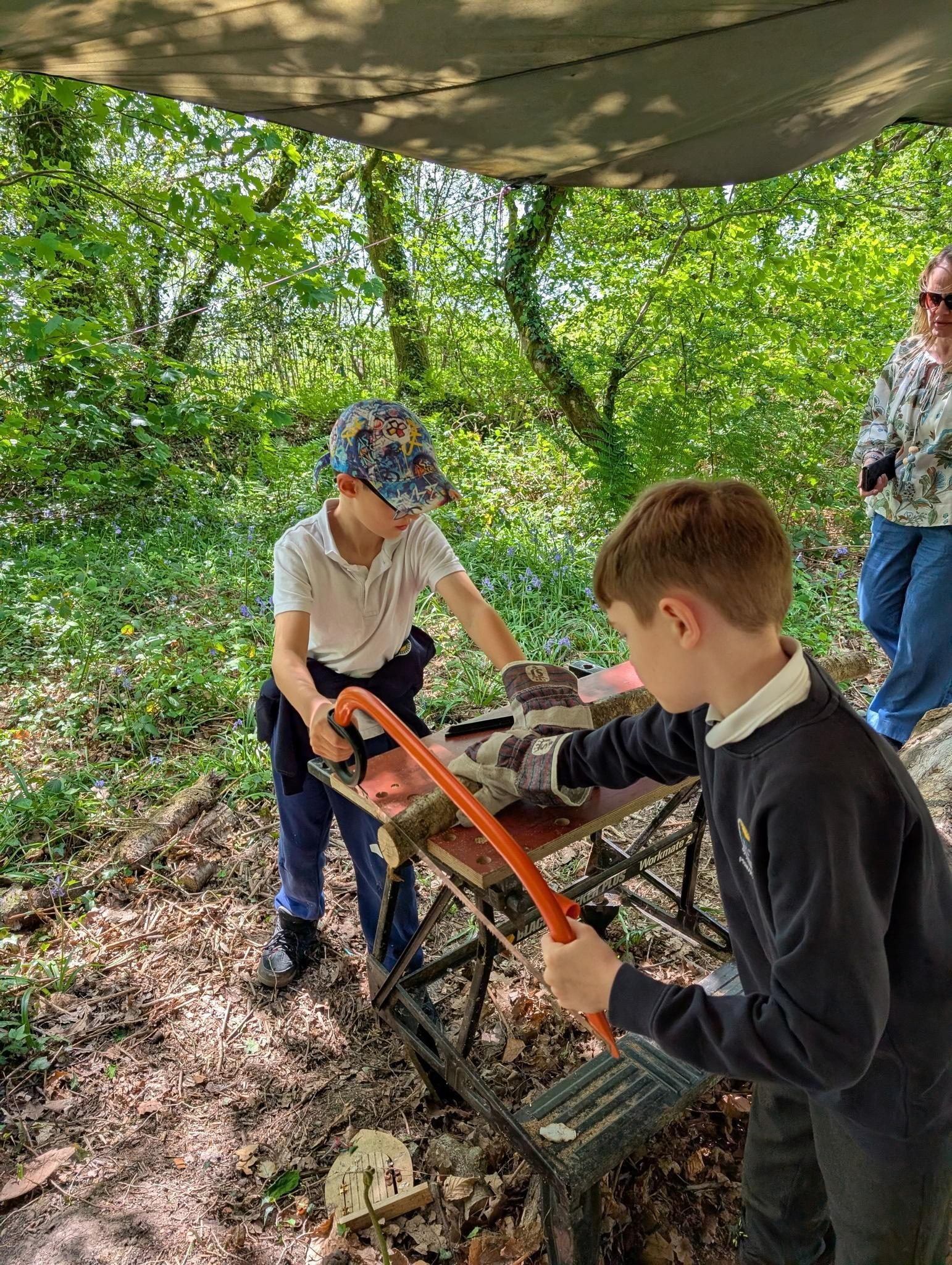
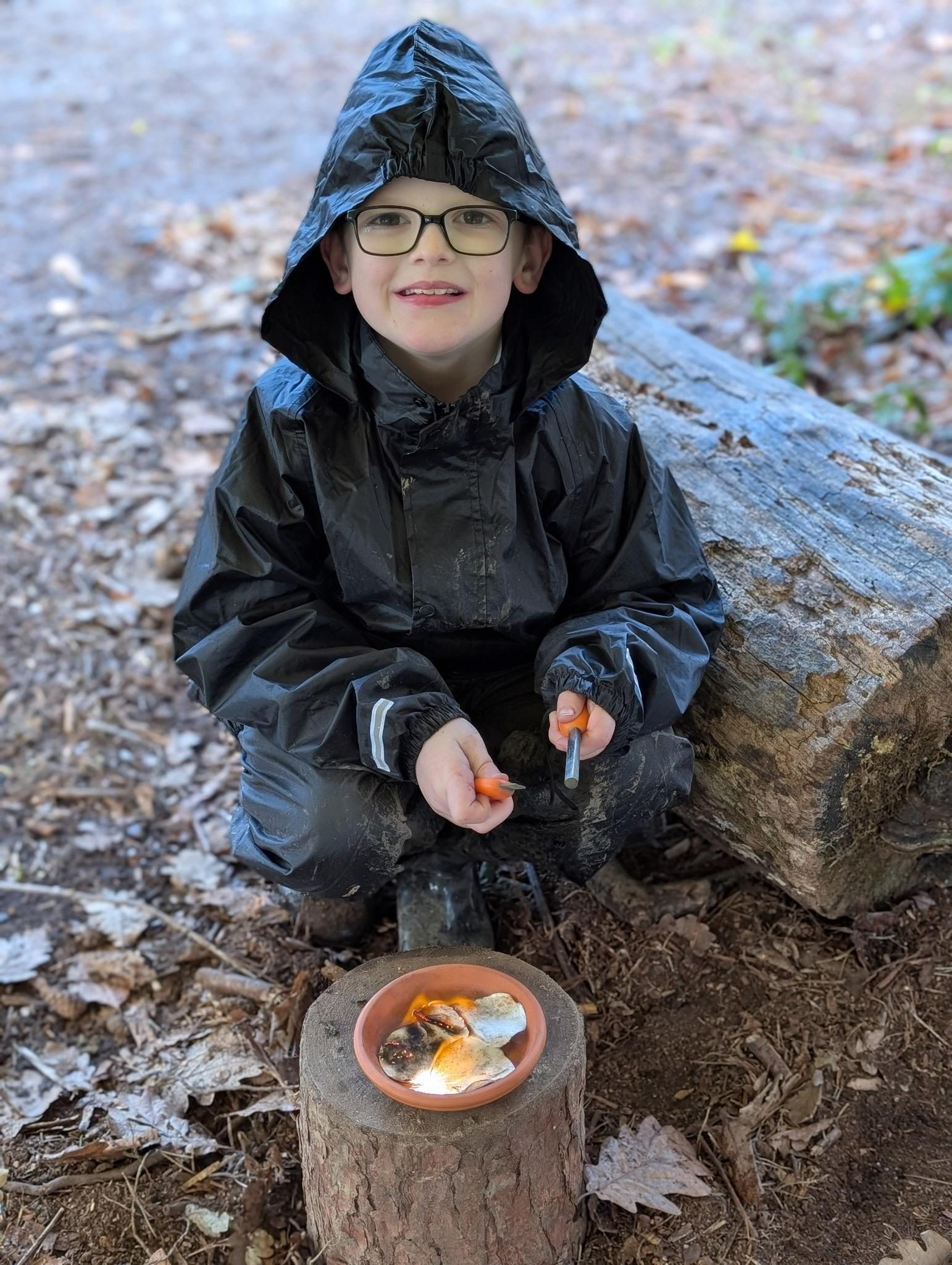
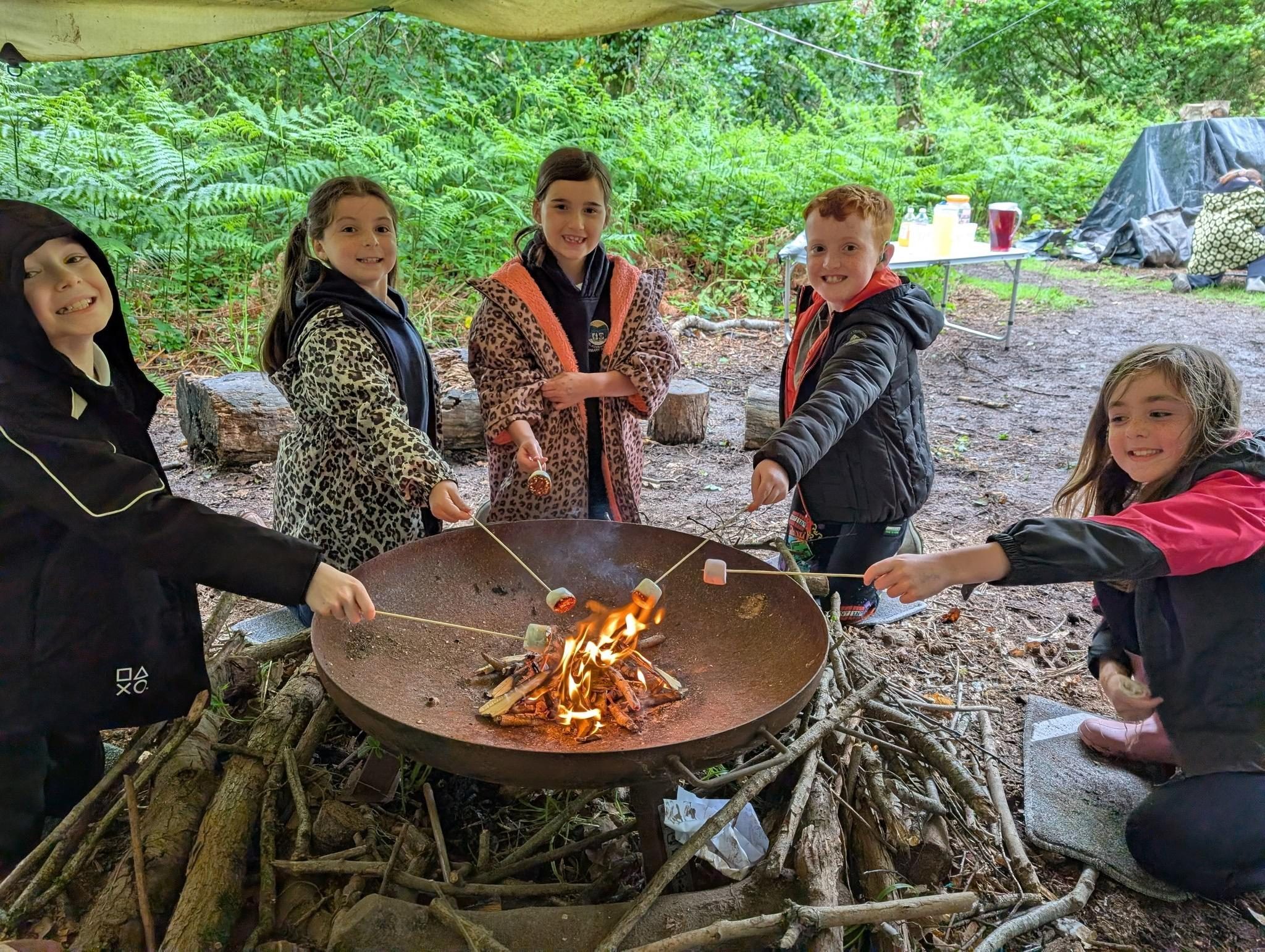
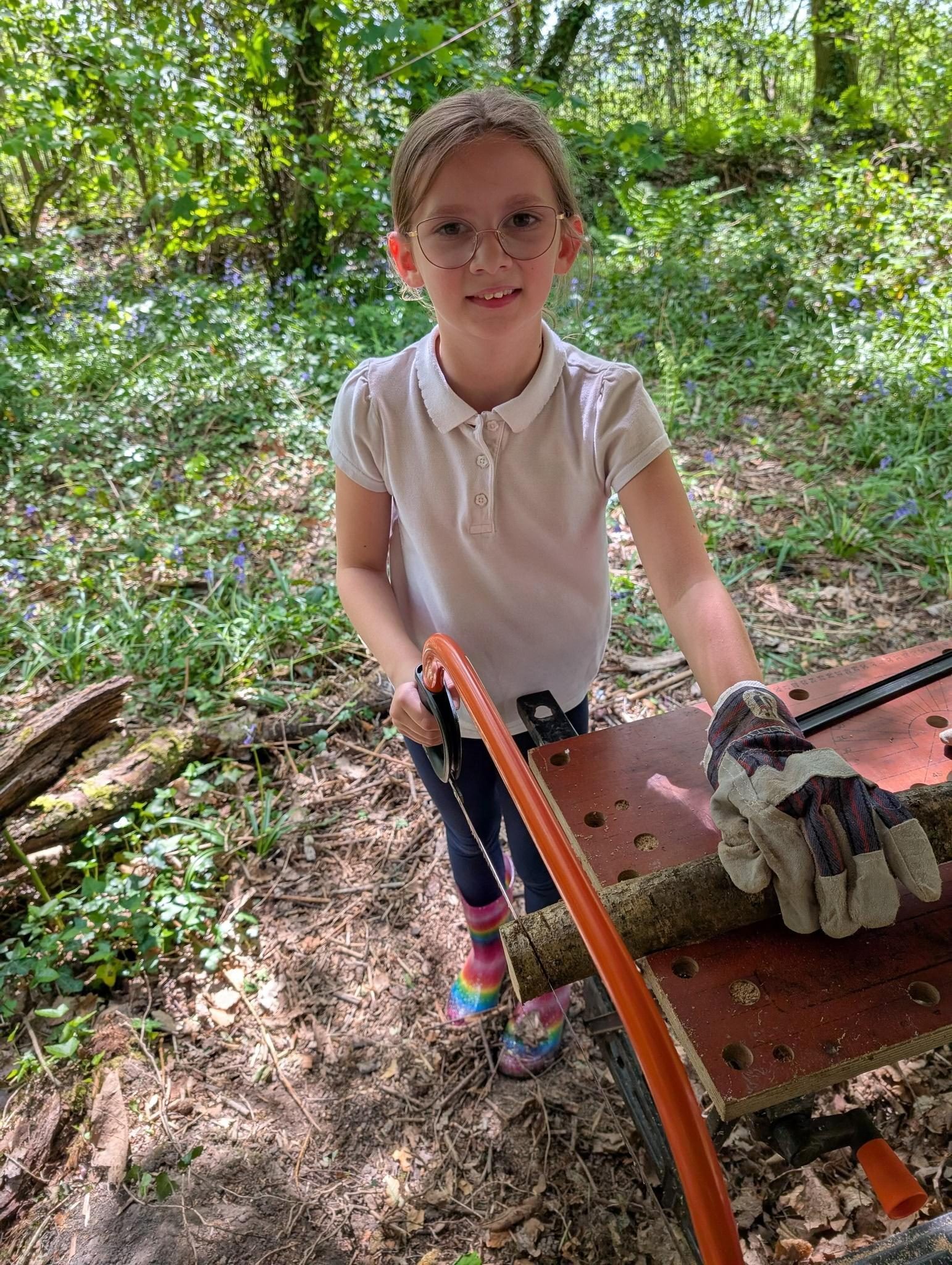
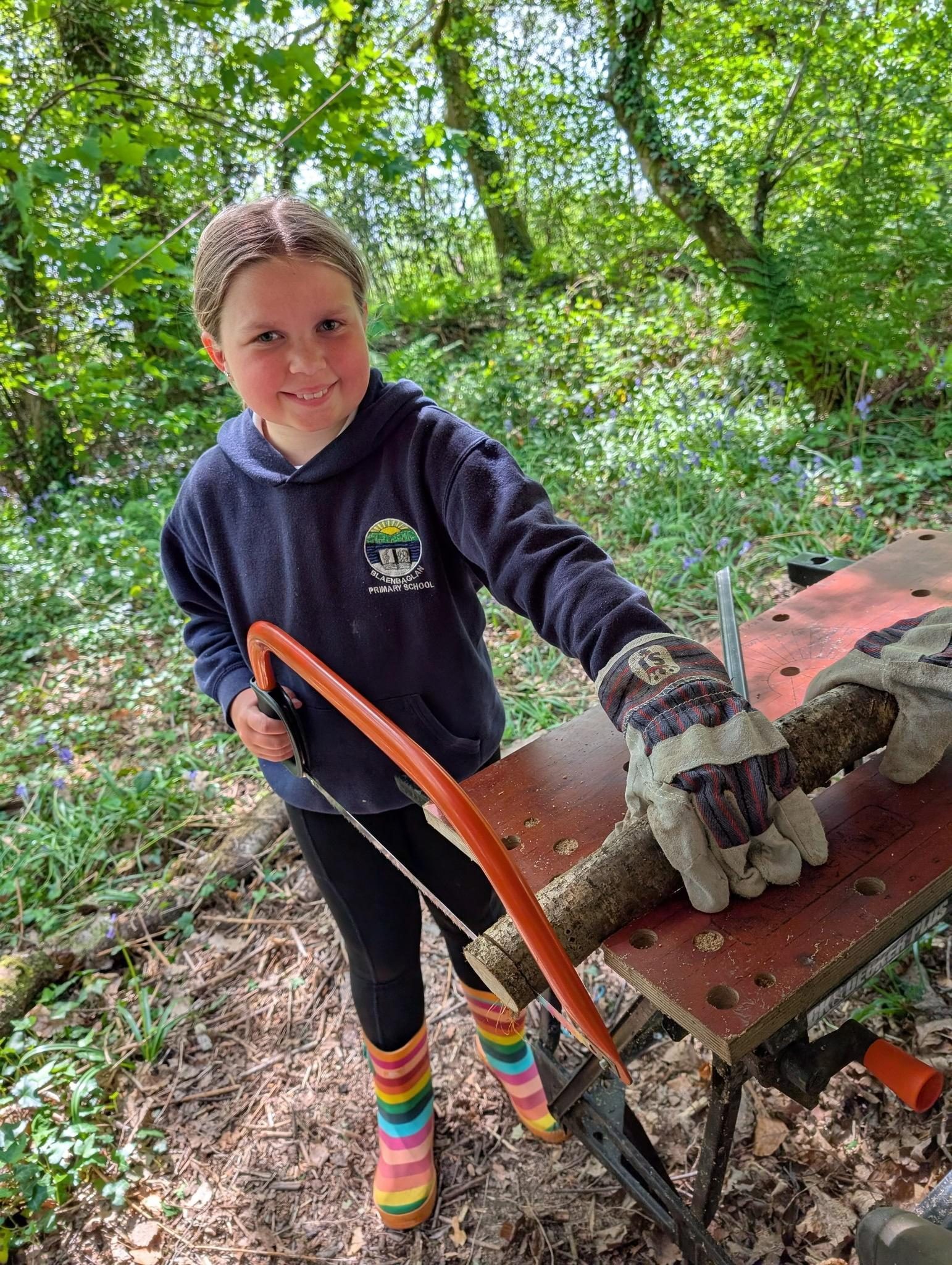
Learning to use tools safely and developing valuable real-life skills through activities such as whittling and lighting fires.
Fancy a visit?
Use the contact details below to get in touch with Blaenbaglan Primary School to arrange your visit.